
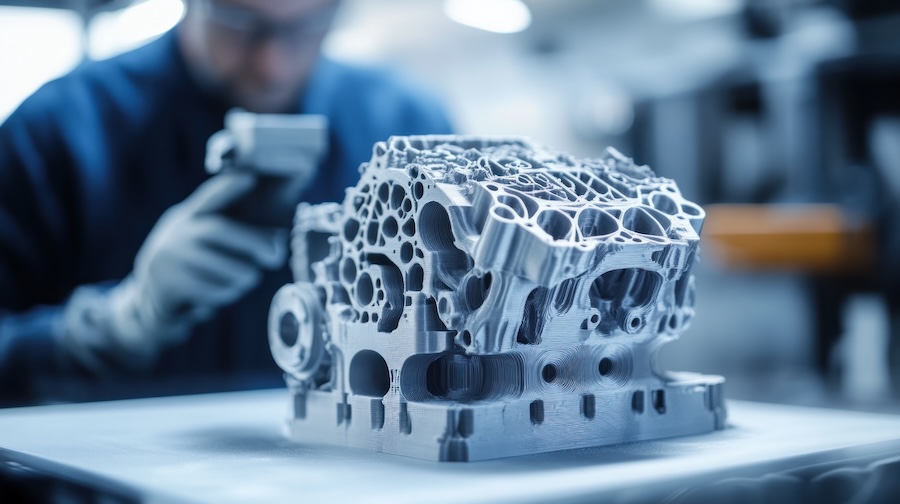


3D printing, also known as additive manufacturing, is changing how manufacturers design and produce parts. From rapid prototyping to producing complex geometries that traditional methods struggle to achieve, its potential is significant.
Yet, despite these advantages, many manufacturers face hurdles when trying to integrate 3D printing into their operations. Here, Truform explores the most common barriers to adopting 3D printing in manufacturing and outlines practical ways to overcome them.
The Importance and Benefits of 3D Printing in Manufacturing
The 3D printing technique is reshaping manufacturing by facilitating faster, more flexible and cost-effective production. Manufacturers can create highly complex parts that are difficult or impossible to produce with traditional methods, while also reducing material waste and shortening lead times.
This technology supports rapid prototyping, low-volume production, just-in-time manufacturing and even mass customisation, allowing companies to innovate quickly and respond to changing market demands.
When applied appropriately, additive manufacturing can enhance operational efficiency, improve product performance and strengthen competitive advantage.
Common Barriers to Adopting 3D Printing in Manufacturing
While additive manufacturing offers significant advantages, many manufacturers face obstacles when trying to integrate this technology into their operations. From financial considerations to workforce skills and regulatory compliance, these challenges can slow adoption and limit 3D printing’s full potential. Understanding these challenges is the first step toward addressing them effectively.
1. High Initial Investment
Industrial-grade 3D printers come with a significant price tag. Advanced machines can cost hundreds of thousands of pounds, and beyond the printer itself, companies must also consider expenses for software, maintenance and post-processing equipment. The return on investment can be difficult to assess early on, making upfront costs harder to justify.
Solution: Working with a 3D printing service provider like Truform allows manufacturers to access industrial-grade printers and expertise on a project-by-project basis, eliminating the need for large upfront investments. This approach allows businesses to test additive manufacturing, scale production gradually, and build a clearer understanding of return on investment before committing to equipment purchases.
2. Lack of Skilled Workforce
Operating and optimising 3D printing manufacturing technology demands in-house expertise in CAD design, materials science and post-processing techniques. Many manufacturing teams lack this specialised knowledge, meaning companies look to invest in training existing staff or hiring experts.
Solution: By working with Truform, manufacturers can leverage expert operators and technical support, removing the need for in-house expertise initially. This allows teams to adopt additive manufacturing quickly while developing in-house capability at a manageable pace.
3. Quality and Consistency Concerns
At first, manufacturers may worry that 3D printed parts won’t be consistent or meet high-quality standards, especially for industries with tight tolerances. With the right equipment, process control and experience, these concerns can be addressed effectively.
Solution: Working with Truform, manufacturers can access experienced operators and robust quality control protocols, ensuring each part meets precise specifications. This allows teams to adopt additive manufacturing confidently, without having to worry about variability or defects.
4. Regulatory and Certification Challenges
Certain industries require strict regulatory compliance. Certifying additively manufactured parts can be more complex due to variations in materials, process parameters and post-processing steps. Meeting these standards can increase both time and cost for implementation.
Solution: Truform supports certified printing processes and documentation, helping manufacturers meet compliance standards efficiently. This ensures parts are production-ready and meet industry regulations without burdening internal teams.
5. Intellectual Property and Security
With 3D printing, digital designs are central to production. This makes them vulnerable to theft or unauthorised replication. Companies must implement robust digital security measures to protect sensitive design data and intellectual property.
Solution: Truform uses secure file handling, encrypted data transfer, and controlled workflows to protect intellectual property, giving manufacturers peace of mind when outsourcing 3D printing.
Final Words
3D printing offers manufacturers powerful opportunities to innovate, reduce lead times, and improve operational efficiency. While challenges exist, they are not insurmountable. By working with a trusted, on-demand 3D printing service, manufacturers can overcome these barriers, access industrial-grade equipment, and benefit from expert guidance without large upfront investments.