Industrial Components Manufactured by Truform
Industrial components must perform reliably under real operational pressure, while remaining cost-effective and available when required. From replacement parts to low-volume production runs, Truform produces functional components designed to keep operations moving.

From Long Lead Times to On-Demand Production
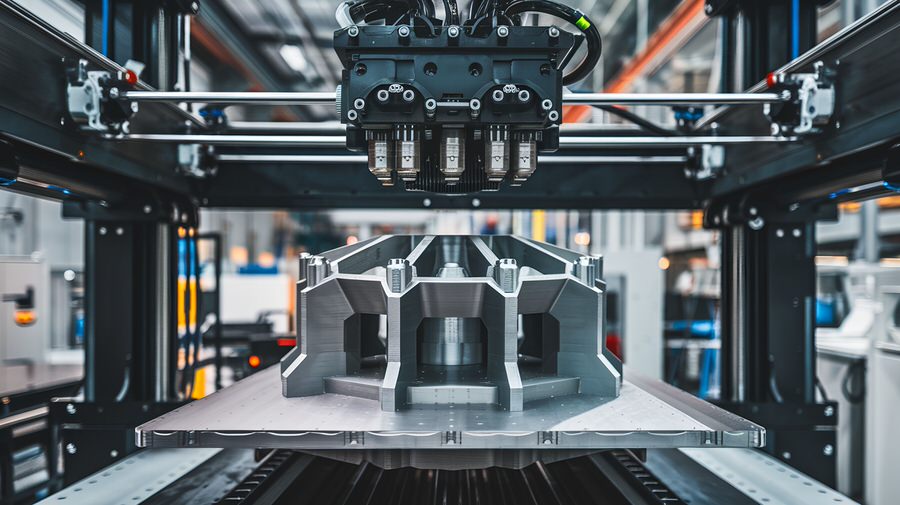
Manufacturers today face constant pressure to improve efficiency while reducing cost and risk. Long overseas lead times, discontinued components, and high minimum order quantities increase operational strain. Traditional manufacturing methods are not always flexible enough to respond quickly to urgent requirements or low-volume needs.
Additive manufacturing offers a practical alternative. It enables on-demand production of complex, durable industrial components without the delay of tooling or mould creation.

Industrial Components Built for Function
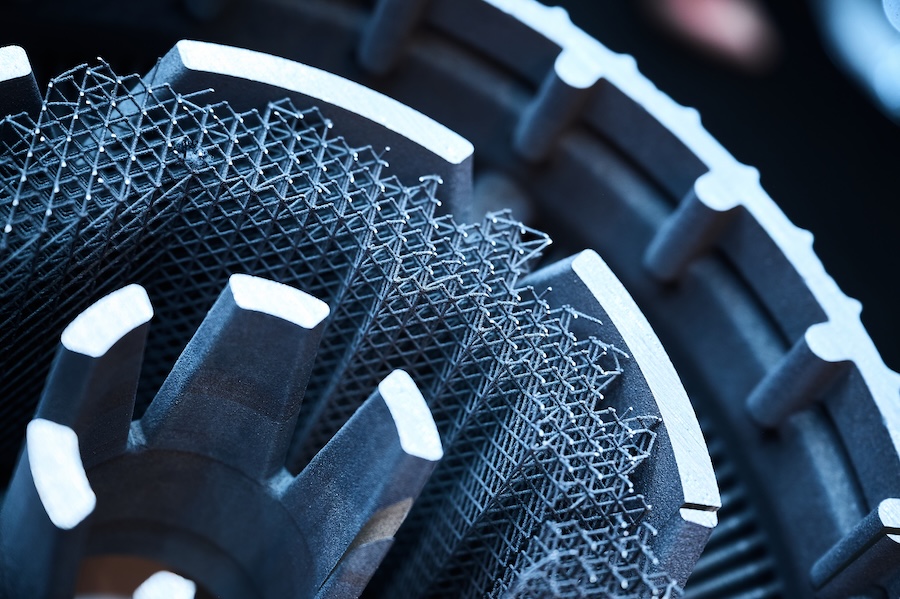
Truform produces industrial 3D printed parts designed for real-world performance. Whether you need tooling, jigs, fixtures, housings, brackets, or end-use components, parts are manufactured to meet functional industrial requirements.
We work with a wide range of materials, including polymers, metals, and resins, to support industrial applications requiring strength, heat or chemical resistance, and lightweight performance.
Industrial Components We Produce

Where Industrial 3D Printing Delivers Real Value
Industrial 3D printing delivers the greatest value where speed, flexibility, and complexity intersect. It is not simply an alternative to traditional manufacturing. It is a complementary technology that enables manufacturers to solve problems conventional processes struggle with.
Industrial 3D printing is particularly effective in the following scenarios:

Replacement and Legacy Parts
For manufacturers operating ageing machinery or legacy product lines, spare parts often become obsolete long before the equipment does. Additive manufacturing enables hard-to-source components to be recreated from digital files and produced only when required, reducing the need to hold excess physical inventory or wait weeks for overseas suppliers.

Reducing Downtime and Supply Risk
Unexpected downtime and delayed components place immediate pressure on operations teams. Industrial 3D printing provides a controlled and responsive approach to component supply. By producing parts locally and on demand, manufacturers can reduce reliance on overseas lead times and large minimum order quantities, moving from reactive purchasing towards a more resilient supply model.

Tooling, Jigs, and Fixtures
Custom tooling can be produced quickly to support assembly lines, inspection processes, or specialist manufacturing tasks. In fast-moving production environments, waiting weeks for machined tooling can slow improvement and experimentation. Industrial 3D printing allows engineers to design and manufacture bespoke jigs, fixtures, brackets, and guides in a matter of days.

Low-Volume Production and Bridge Manufacturing
Industrial 3D printing removes the need for upfront tooling, making it viable to produce tens, hundreds, or low thousands of units without major capital outlay. For some organisations, this enables ongoing low-volume production where demand is niche, specialist, or variable. For others, it provides a bridge to full-scale manufacturing, allowing parts to be produced while injection mould tooling is being developed or before committing to larger production runs.

Complex Geometries
Additive manufacturing enables internal channels, lattice structures, and weight-reduction strategies that traditional subtractive methods struggle to achieve. Parts can be designed for function rather than around manufacturability constraints, improving performance, reducing weight, and streamlining assembly.
Truform’s Process for Manufacturing Industrial Components
If you are exploring additive manufacturing for industrial components, our process is straightforward, and our team is here to support you every step of the way.

Submit Your CAD File
Turn ideas from CAD into physical models in days, not weeks.

Technical Review and Material Confirmation
Create complex geometries, intricate details and bespoke parts that would be either impossible or expensive with traditional methods.

Production and Quality Checks
Lower your costs by cutting out tooling, moulds or long setup times - especially handy for low-volume or one-off prototypes.

Delivery and Ongoing Support
Make parts suitable for form, fit and functional testing, helping identify design improvements early.
Quality, Reliability, and Speed
Truform combines industrial capability with responsive, hands-on service. Our focus is on delivering practical, reliable solutions that integrate smoothly into existing workflows and operational environments.
Our Priorities
Every project is reviewed for manufacturability and functional performance before production begins. This collaborative approach ensures components are not only printable but appropriate for their real-world application.
Modernise Component Supply
Forward-thinking organisations are already integrating on-demand production into their supply models. Explore how to do the same with Truform.