Engineering Prototyping, From Concept to Working Part
Proof of concept, functional, and pre-production prototypes
A prototype is the first time a design has to prove itself as a real part, fitted and tested before anything is committed to production. Truform makes engineering prototypes by machining or printing, whichever the part needs, so the prototype behaves the way the production part will.

What is Engineering Prototyping?
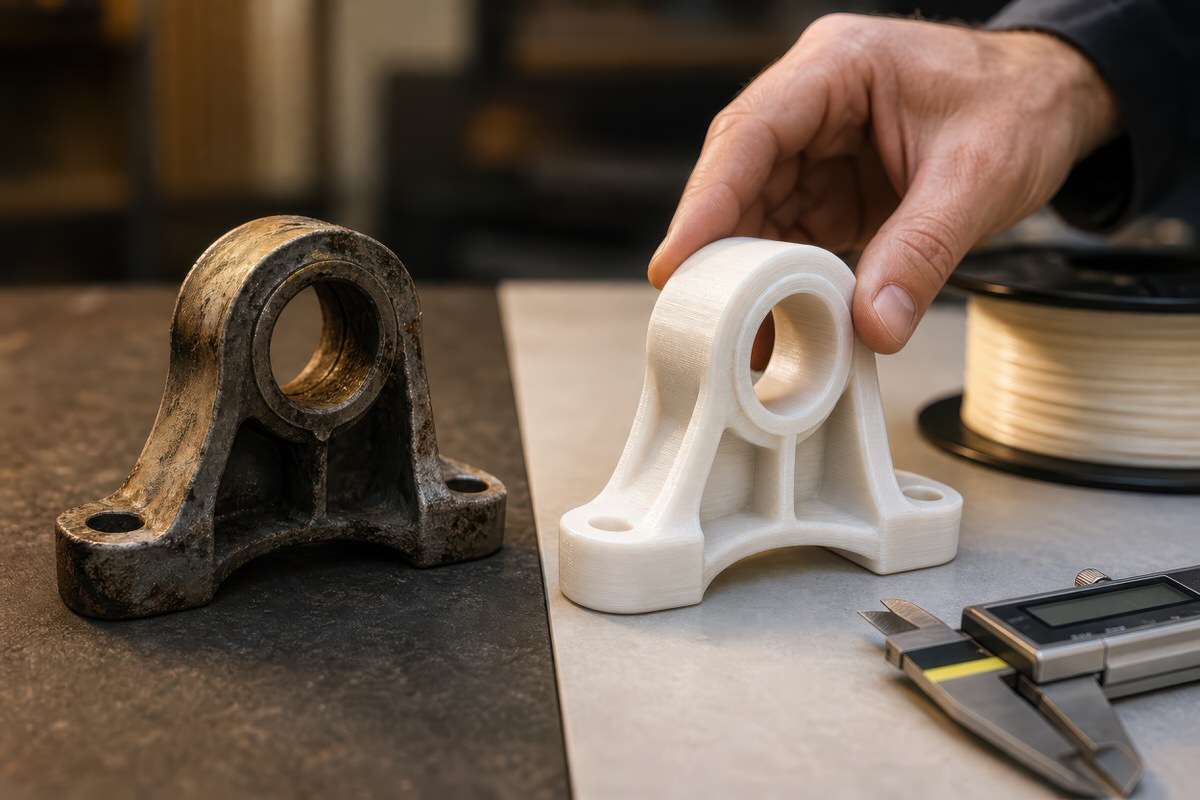
Engineering prototyping is the making of a working version of a part before full production. The prototype exists to be tested: checked for fit, loaded, handled, and reviewed, so the design is confirmed or corrected before it goes further.
A prototype can be a single proof of concept or a short run of near-final parts. Industrial prototyping covers the functional end of that range, where a part must survive testing, not just look right, and where material and tolerance matter as much as geometry.

What Shapes the Build
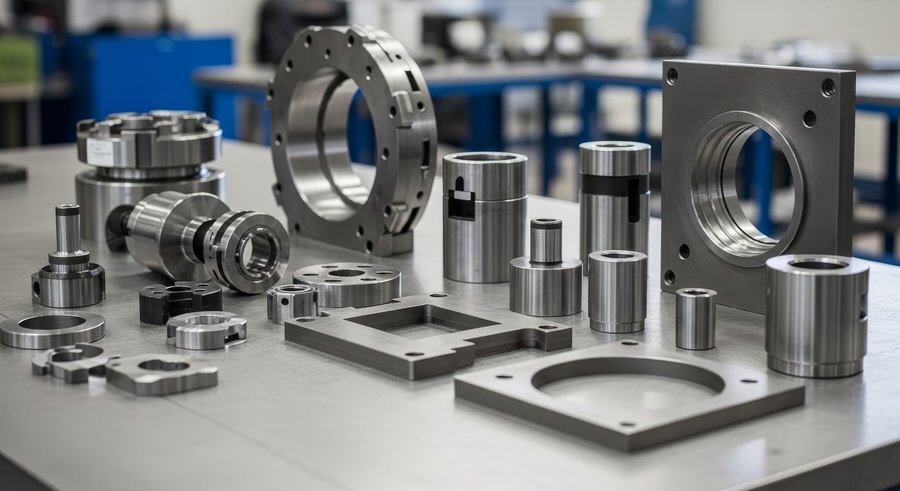
What a prototype has to demonstrate shapes the build. A part tested in a rig until it breaks is built differently from one made to show how a product looks and feels.
Truform decides how each prototype is made by weighing what it has to do, how exact it must be, the material it must behave like, and how soon it is needed.
Prototypes We Make
Truform makes a handful of working prototype types, each answering a different design question.
The judgement is knowing how far to take each one. Hold a rough proof of concept to production tolerances and the time it was meant to save is gone. A functional part signed off on looks alone will hide the fault it was built to find. Taken just far enough, a prototype rules out one risk and clears the way to the next.
Proof-of-Concept Prototypes
Bearings, bushes, seals, and the contact parts that wear on a duty cycle and need like-for-like replacement.
Functional Prototypes
Components the manufacturer no longer makes, reproduced from a sample, a drawing, or a scan.
Appearance Prototypes
Parts specific to one machine or one line from the start, with no off-the-shelf equivalent.
Pre-Production Prototypes
Parts for equipment that has outlasted its spares, remade to keep it in production.
How a Prototype Is Made
Truform handles a prototype from the first design input through to the part in hand. How that happens depends on two things: where the prototype starts, and how it is made.
Most prototypes begin from a CAD model or drawing. Where the design starts from a component that already exists, Truform can capture it through 3D scanning.
Reverse Engineering
Recreates a component with no current drawing, so a prototype of a replacement or improvement can be made.
3D Scanning
Captures an existing part or assembly so a prototype can be designed to fit it precisely.
From there, how it is made is an engineering decision. Machining suits functional parts that need the strength, finish, and tolerance of the production material. Additive manufacturing works best when geometry is complex or several iterations are needed quickly.
Conventional Machining
Functional metal and engineering-plastic prototypes, machined to production tolerances.
Additive Manufacturing
Fast, low-cost prototypes with complex geometry, suited to early iterations and form checks.
Who We Work With
Truform prototypes for teams across different industries who share one requirement, to know a part performs before it scales:

Industrial Components
Functional and proof-of-concept parts for valves, housings, and other industrial components.

Automotive and Aftermarket
Prototype and low-volume parts for production, motorsport, and automotive aftermarket work.

Manufacturing and Fabrication
Prototype fixtures, jigs, and parts tested before fabricated and machined work runs at volume.

Product Design and Development
Prototypes that move with a design from concept through testing toward manufacture.
Why Choose Truform for Prototyping?
Truform makes the prototype and carries it through to a part in hand, not a file or a quote.
What makes that possible:

Engineering prototyping does not stop at one part. A design changes as it is tested, and each change raises a new question for the next prototype. Truform answers it, so the working part is never more than a round away.
FAQs
What is the difference between a prototype and a production part?
A prototype is made to learn something: whether the design fits, works, or looks right. A production part is made to the finished specification, in the final material and process. A functional prototype can share both when the test demands it.
How does Truform decide how to make a prototype?
It follows what the prototype must establish, and how exact, robust, and fast it has to be. Truform recommends how to make it, so the customer does not have to choose.
Can Truform make a prototype from an existing part?
Yes. Where no current drawing exists, the part is captured by 3D scanning and rebuilt by reverse engineering, so a prototype starts from real geometry rather than a guess.
Can a prototype be made in low volume for testing?
Yes. Pre-production prototypes validate a design across several parts before tooling is committed. Where lead time is critical, Truform can recommend the quickest way to a tested part.
How is the cost of a prototype worked out?
It depends on the part, the process, and how many are needed. A rough proof of concept and a functional test part cost very differently. The price is set out openly before work begins, and follows the engineering rather than leading it.
Start Your Next Prototype
From a single proof of concept to a low-volume test batch, send us your design in whatever form it exists, and tell us what the prototype must prove. Truform will recommend how to make it, produce it, and refine it until the design is ready for production.