Manufacturing Tooling, Built Around the Part
Made around the part, the process, and the size of the run
A production line is only as accurate as its tooling. When it is right, every part off the line matches the last, run after run. Truform helps manufacturers develop tooling around the part, selecting the most appropriate method for the application.

What is Manufacturing Tooling?
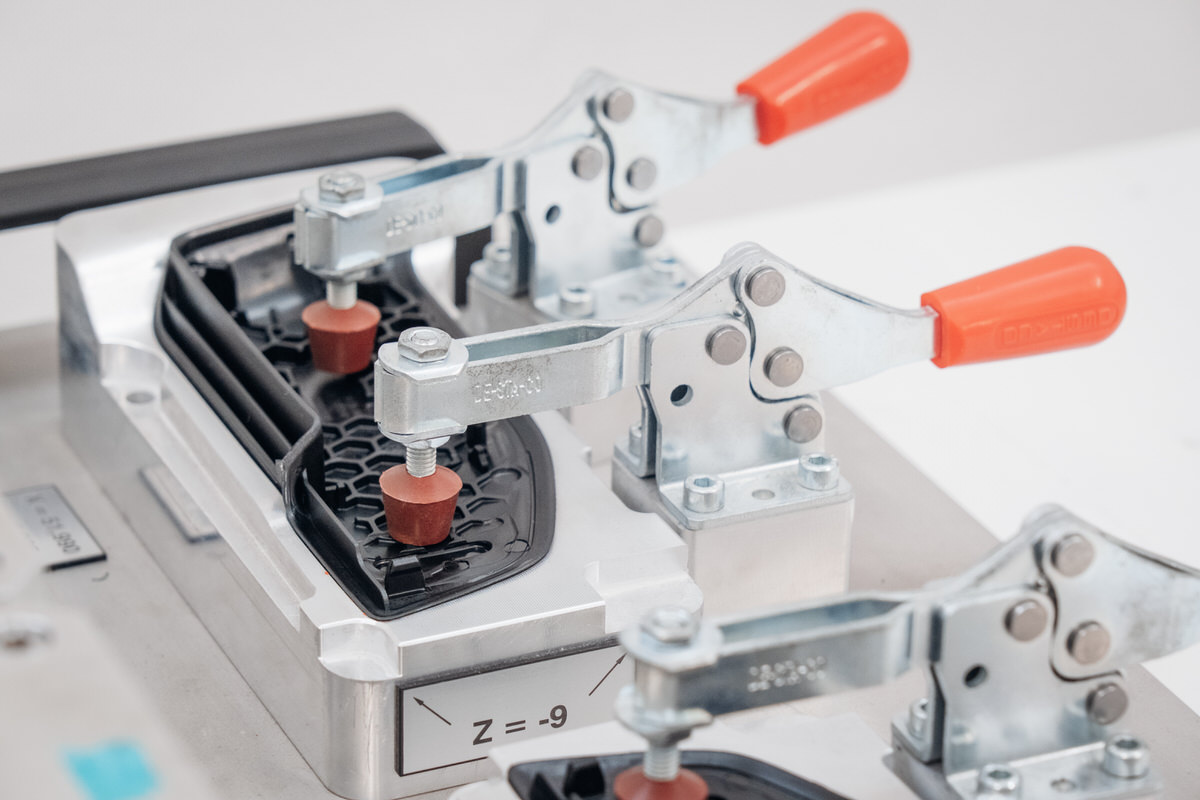
Manufacturing tooling is the specialist equipment that locates, holds, and guides a part through production. It covers jigs, fixtures, gauges, and the production tooling a line depends on.
Every part and production process is different, so most tooling is custom. Fixtures are typically designed around the application, the tolerance required, and the volume being provided.

Matching the Method to the Part
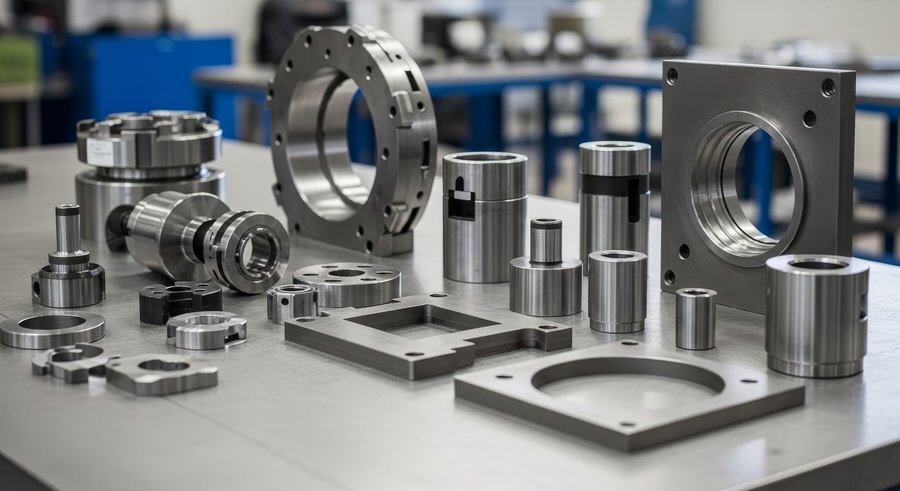
When you bring a tooling requirement to Truform, the first step is understanding what the tooling needs to do. A fixture that must survive thousands of cycles should be treated differently to a one-off checking gauge. The two require completely different methods.
Truform selects the manufacturing route that best meets the needs of the application, weighing what the tool must do, the accuracy and durability it needs, and the lead time to produce it.
Tooling and Fixtures We Produce
Before anything else, tooling and fixture design starts with the part and the job it needs to do. Truform produces a range of tooling and fixtures, each made for a different job on the line.

Assembly Fixtures
Fixtures that hold components in position during joining, bonding, or fastening, so each assembly is made to the same standard.

Inspection and Gauging Fixtures
Fixtures and gauges that locate a part the same way every time, keeping measurement consistent across operators and shifts.

Jigs and Workholding
Jigs that guide tools along a set path, and workholding that holds parts against machining forces without distortion.

Production Tooling
Tooling built for recurring runs, specified for the wear, throughput, and tolerance the job demands.

End-of-Arm Tooling
Grippers and handling tooling for robotic and automated cells, matched to the part being moved.
Every fixture is a design question: how to locate, clamp, and release the part without adding error. Locate it off the wrong reference point, and the fixture builds in an error no machine can correct downstream. Get it right, and it holds its accuracy across its lifetime.
Tooling is produced using the materials the job calls for, from tool steels and aluminium through to durable polymers and additively manufactured metals.
How Tooling is Produced
Truform sees tooling projects through from first reference to delivery. How that is done comes down to two things: where the job starts, and how the tool is made.Most jobs start with a drawing. When there isn’t one, Truform can work from the part, the existing tooling, or the production requirement itself.
Whatever the route, the aim is the same: tooling that fits the part and the way it is produced
Reverse Engineering
Recovers tooling that exists on a line but not in any drawing, so it can be reproduced, replaced, or improved.
3D Scanning
Captures a part or a worn fixture to the accuracy the replacement depends on.
From there, how the tool is made becomes an engineering decision. Machining is the default for durable production tooling, whereas additive manufacturing is used where one piece can do the work of several machined parts.
Conventional Machining
Rigidity, surface finish, and tight tolerance for high-wear production tooling and metal fixtures.
Additive Manufacturing
Fixtures with internal features or undercuts, built as a single piece.
Who We Work With
The challenges behind tooling are often similar, even when the industries are different. Truform supports manufacturers, engineers, and product teams working on everything from industrial components to new product development.
Industrial Components
Fixtures and gauges for the repeatable production of valves, housings, and precision industrial components.

Automotive and Aftermarket
Assembly and inspection tooling for production parts, motorsport components, and automotive aftermarket runs.

Manufacturing and Fabrication
Workholding, jigs, and production fixtures that keep fabricated and machined work consistent at volume.
Product Design and Development
Prototypes and check gauges that move with a design as it heads toward production.
Why Choose Truform for Tooling?
At Truform, the thinking that shapes the tooling route carries through to delivery. The focus is always on selecting the most appropriate solution for the application, then ensuring it is delivered as intended. Design data stays secure throughout, and every tool meets its spec from the very first run.
Here are a few reasons manufacturers work with Truform on tooling projects:

Tooling does not end at delivery. Fixtures wear out, parts change, suppliers disappear, and production requirements evolve. Truform can help reproduce, replace, or improve tooling as requirements change, helping manufacturers keep production moving.
FAQs
What does manufacturing tooling include?
Manufacturing tooling includes jigs, fixtures, gauges, workholding, and handling tools used to locate, hold, inspect, or move parts through production.
What lead times apply to custom tooling?
Lead time depends on the complexity of the tooling, the materials involved, and the manufacturing route selected. Where lead time is critical, Truform can often recommend alternative approaches that help accelerate delivery.
How does Truform decide how to make a piece of tooling?
It depends on the part, the volume, the tolerance, and the lead time. Durable production tooling is usually machined, and fixtures with internal features are often printed. The decision follows what the part needs, not a default process.
Can existing tooling be reproduced without drawings?
Yes. Reverse engineering and 3D scanning capture the shape of a worn fixture, or one that has no drawing, so it can be reproduced, replaced, or improved without an original.
Case Study

How Precision Machining Cut a Critical Gear Lead Time from Ten Weeks to Three
A global engineering firm needed two critical gear components fast. See how Truform cut lead times by 70% while delivering the required specification on time.
Case Study
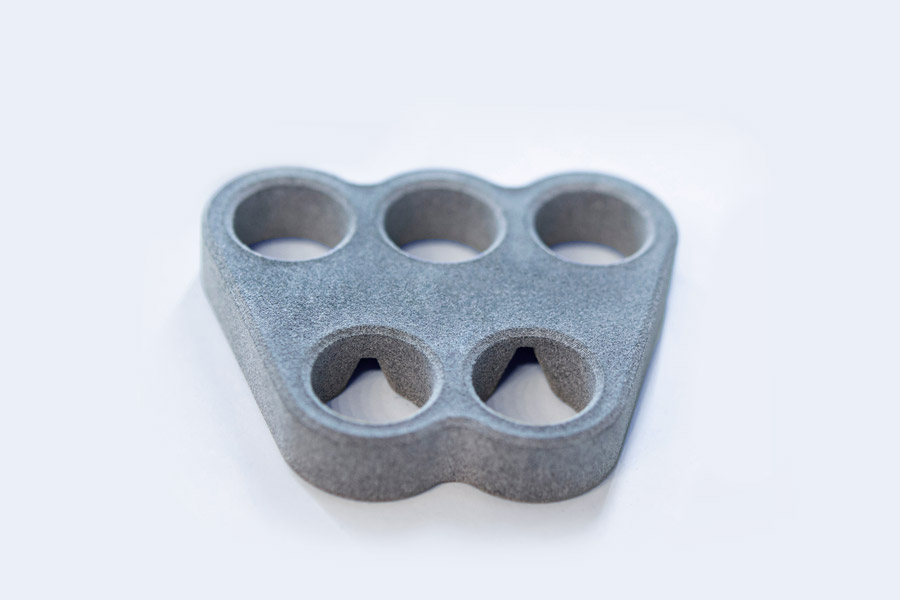
How Additive Manufacturing Cut a Production Tool’s Lead Time from Six Weeks to Days
This case study explores how Truform cut a production tool's lead time from six weeks to days, and its cost by over 80%, by choosing the process the application needed.
Bring Truform Your Tooling Requirement
From a single fixture to a full production tooling package, send us the part, drawing, existing tool, or production requirement. Truform can help determine the most suitable route, coordinate manufacture, and manage the project through to delivery.