Machine Spare Parts, Made to Keep Production Moving
Replacements for equipment in or out of production
Truform makes the spare parts that keep machines running, each matched to the original it replaces. With no drawing to go on, the worn part is often all Truform needs to rebuild it.

What is a Spare Part?
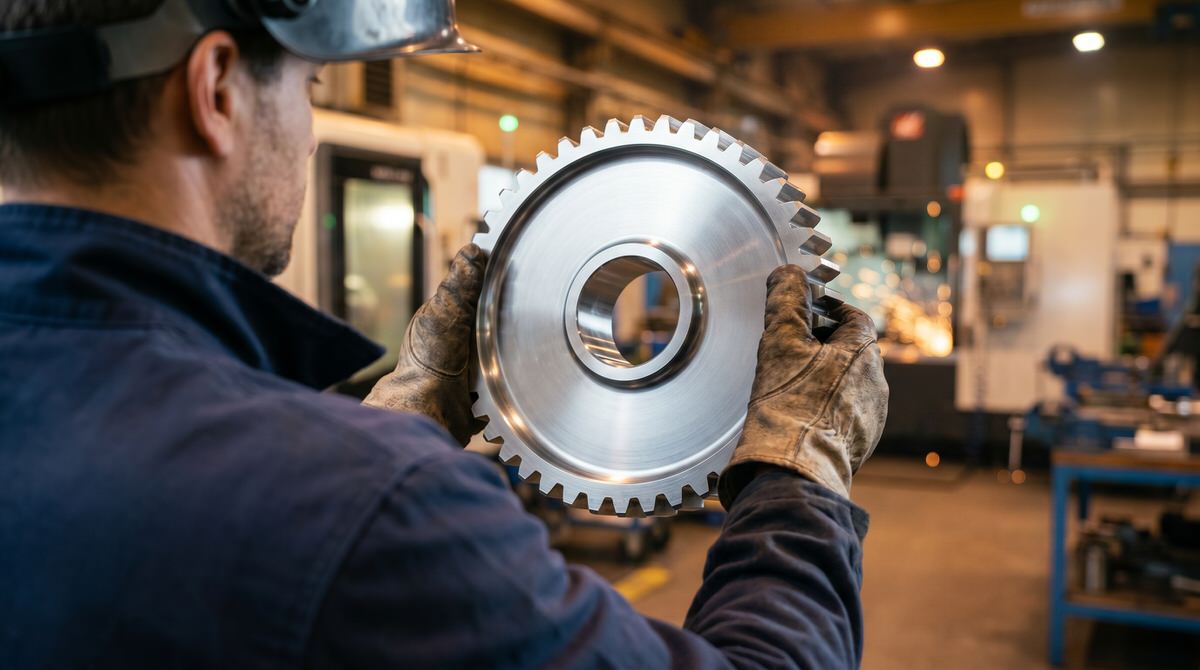
Machine spare parts replace the components that wear out, like a bearing or housing, so the machine keeps running. What matters is not the part itself but whether it can be reordered or has to be made.
A current part can be reordered, but one that is discontinued or custom to the machine has to be made again. Truform makes the replacement either way, from a drawing, the worn part, or a digital record.
How a Replacement Part is Made
The parts that bring a line down are often the hardest to get hold of, because they are low in volume, made for one machine, and no longer in production. A rough equivalent might fit in place but is not made to the same material or strength, so the machine stops again. What keeps the machine running is a replacement built to the original shape and material, not an approximation.
Each replacement is shaped by what the part does, its tolerance and material, and how soon it is needed.
When you bring a part to Truform, it is first captured as a digital model through 3D scanning and reverse engineering. From that model it is made on demand and kept in a digital inventory for reorder. Where additive manufacturing is the right fit, it needs no tooling or minimum runs.
3D Scanning
Captures a worn or undrawn part to the accuracy the replacement depends on.
Reverse Engineering
Turns the captured part into a validated model that can be made and remade.
Additive Manufacturing
Builds complex shapes, internal features, and low quantities as a single piece.
Digital Inventory
Holds the validated file, so a repeat order is produced when needed.
Spare Parts We Make
The spare parts Truform makes cover everyday wear, custom one-offs, and parts no longer in production.
Parts are made in the material the job needs, from engineering polymers to metals such as aluminium and tool steel.
Wear Parts
Bearings, bushes, seals, and the contact parts that wear on a duty cycle and need like-for-like replacement.
Discontinued and Obsolete Parts
Components the manufacturer no longer makes, reproduced from a sample, a drawing, or a scan.
Custom and Bespoke Parts
Parts specific to one machine or one line from the start, with no off-the-shelf equivalent.
Legacy and Long-Service Components
Parts for equipment that has outlasted its spares, remade to keep it in production.
Who We Work With
Truform makes spare parts for manufacturers, engineers, and maintenance teams, often for the equipment a line cannot run without. What these sectors share is a reliance on parts that are hard to source and have to fit and last.

Industrial Components
Replacements for valves, housings, and the industrial components a line runs on.

Automotive and Aftermarket
Discontinued and low-volume parts for production vehicles, motorsport, and automotive aftermarket work.

Manufacturing and Fabrication
Wear parts and replacements that keep machined and fabricated lines running between maintenance.

Product Design and Development
Spares and revisions for rigs and equipment as a product moves towards production.
Why Choose Truform for Spare Parts?
Truform makes the replacement and manages the whole job, from the first scan to the delivered part, not just a model of it.
That brings together:

A spare part rarely stops at one order. The same component wears again, the next machine needs the same fix, and a part discontinued once stays discontinued. Truform keeps the file and the means to make it again, so the part that kept the line running once is there the next time it is needed.
FAQs
Can Truform make a part that is no longer in production?
Yes. A discontinued or obsolete part is reproduced from a sample, an old drawing, or a scan, so it can be replaced without one to order.
How is the cost of a replacement part worked out?
Cost depends on the part, its material and tolerance, and whether it needs to be captured before it can be made. Where a validated file already exists, a repeat order costs less than the first.
What if there is no drawing for the part?
3D scanning and reverse engineering capture the shape of the existing part, including a worn one, so it can be remade without a drawing.
Get the Spare Part Your Machine Needs
From a single replacement to an ongoing supply of spares, send us the part with any drawing or sample you have, and tell us what it has to do. Truform will work out how to make it, produce it to match the original, and hold it ready for the next order.